Dario Rodighiero is an Assistant Professor of Science and Technology Studies at the University of Groningen, where he is involved in programs that bridge data science with society. Based at the interdisciplinary faculty Campus Fryslân, he coordinates the minor Data Wise and teaches data and visual literacy within the Data Science and Society Bachelor’s program. He maintains active collaborations with Harvard University, where he is a faculty associate at the Berkman Klein Center for Internet & Society and a principal at metaLAB—a research and teaching laboratory dedicated to experimenting with digital technologies in the arts and humanities.
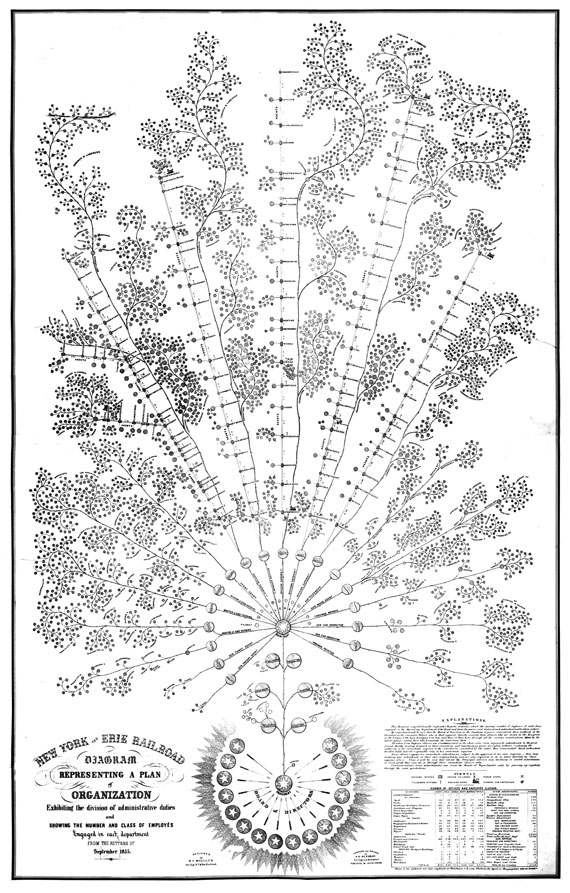
Combining computational techniques with design, Dario investigates how complex information can be revealed. Grounded in Science and Technology Studies, his research focuses on the mapping of science: he is the author of Mapping Affinities: Democratizing Data Visualization, which proposes new ways to design organizational charts. His work further engages with digital cultural archives, exploring questions of representation, interpretation, and self-identification. Visualization is approached as a method for knowledge design, bridging critical inquiry and design practice to foster reflection and dialogue by opening new visual modes of understanding.
Dario holds a PhD from the École polytechnique fédérale de Lausanne (EPFL), where he attended the doctoral program Architecture and Sciences of the City. He has held research and teaching positions at MIT, the European Commission, Paris-Sorbonne University, and Sciences Po. The collaboration with Bruno Latour at the médialab shaped his engagement with digital platforms as tools for philosophical inquiry and collective exploration. He lectured at venues such as CERN and Ars Electronica, and exhibited his work at the MAXXI and Harvard Art Museums, reflecting a sustained commitment to public engagement and interdisciplinary collaboration.
Handbook of Digital and Computational Research Methods
2026
https://doi.org/10.4337/9781802208993.00012
2026
Four Guiding Principles for Rethinking Organizational Charts
Rodighiero, Dariohttps://doi.org/10.4337/9781802208993.00012
This chapter explores the transformative impact of digital tools on visualizing large organizations, highlighting the shortcomings of traditional organizational charts in capturing the interconnected nature of human dynamics. Emphasizing a respectful distance from simplistic managerial logic, it discusses four guiding principles for rethinking organizational charts with careful consideration of digital traces and the valuable information employees leave during daily practice. These principles aim to reconsider the centrality of individuals and the complex dynamics of the whole organization. The first principle stresses comprehensive representation of every employee, promoting concepts like inclusivity and irreductionism. The second principle fosters a sense of community through mutual and collective self-recognition. The third challenges traditional hierarchical structures in favor of equal representation in network-based models. The fourth underscores transparency and bottom-up collaboration in design. The chapter combines theoretical insights with practical examples, including the Affinity Map case study. This approach, in the light of opportunities offered by datafication, as described by Brinton (1939, 59-67), reimagines organizational charts to be more accurate, realistic, and useful. It serves as a guide for using digital data and computational tools to better understand and design large organizations.
Progetto Grafico
2025
Network Literacy: How to Understand, Design, and Read a Visual Relational Model
Rodighiero, Dario
https://doi.org/10.82068/pgjournal.2025.22.41.08
2025
Network Literacy: How to Understand, Design, and Read a Visual Relational Model
Rodighiero, Dario https://doi.org/10.82068/pgjournal.2025.22.41.08
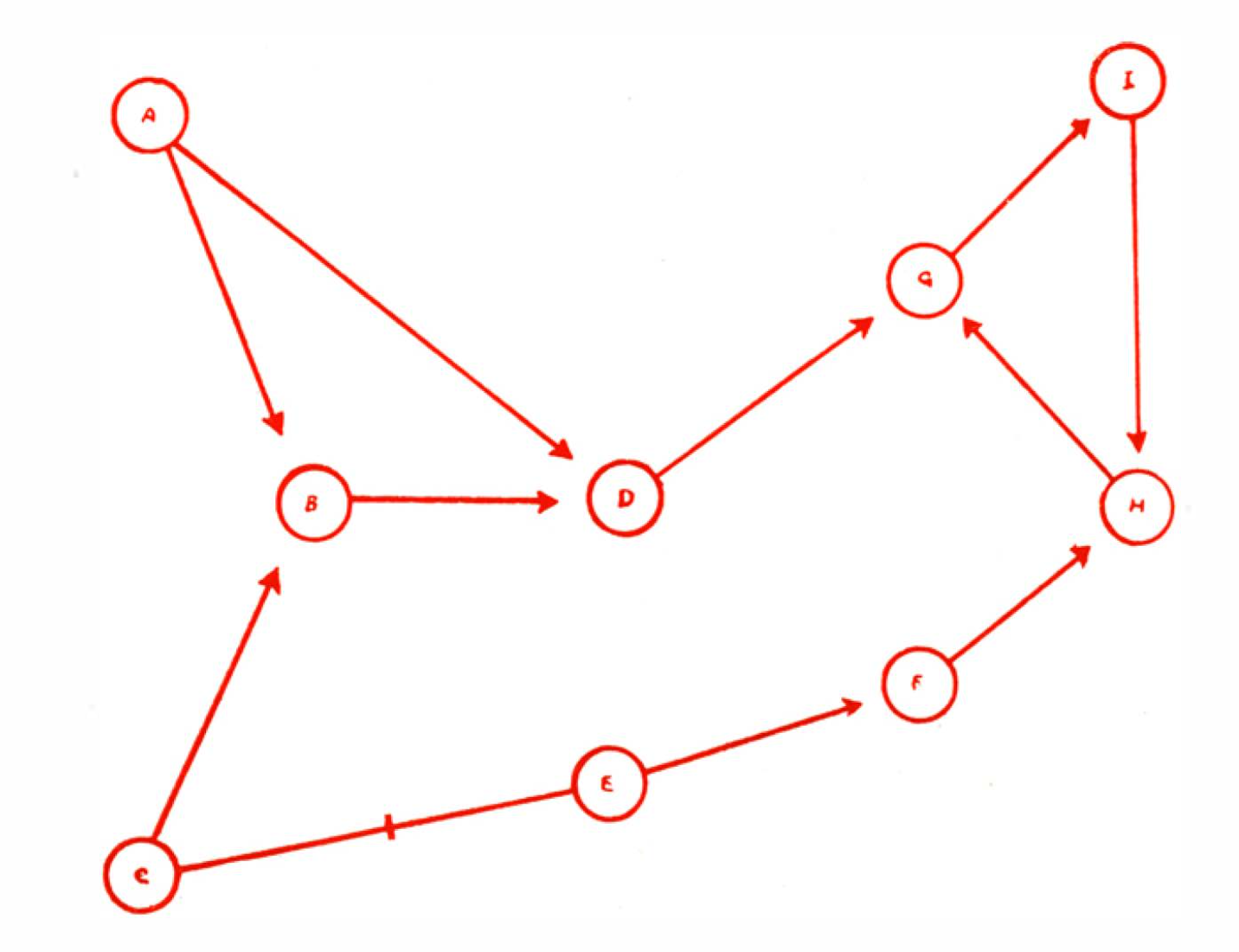
Models help us navigate the complexity of social life, offering simplified structures that make invisible dynamics legible. Networks stand out for their ability to represent relations directly: nodes and links reduce society to actors and their connections, exposing patterns that often remain hidden in linear accounts. Since the eighteenth century, networks have evolved from mathematical curiosities to essential tools across disciplines. Early sociograms revealed classroom friendships, sociological diagrams exposed social reproduction and inequality, and computational studies now map everything from recipes to scientific collaborations. With their visual grammar, networks invite comparison, clustering, and interpretation across diverse domains. Yet their ubiquity also introduces risks: layouts may be mistaken for objective spaces, central nodes assumed to be more important, and dense graphs admired more for aesthetics than insight. To address these challenges, a new form of literacy is required. Network literacy can be defined as the ability to understand, design, and read visual relational models, combining conceptual knowledge of complex systems with practical skills of visualization and critical interpretation. This paper develops the notion of network literacy as a civic and professional competency, bridging traditions of data literacy and visual literacy. It traces the history of networks from their mathematical and sociological origins to their integration into digital media and design, showing how they reconfigure the codex into a relational mode of reading. It then explores three dimensions: design choices that shape meaning, spatial thinking that guides interpretation, and experimental projects that turn visualization into performative practice. By situating networks at the intersection of information design, critical inquiry, and cultural practice, the paper argues that cultivating network literacy is essential for engaging responsibly with the relational fabric of contemporary knowledge.
IEEE
2025
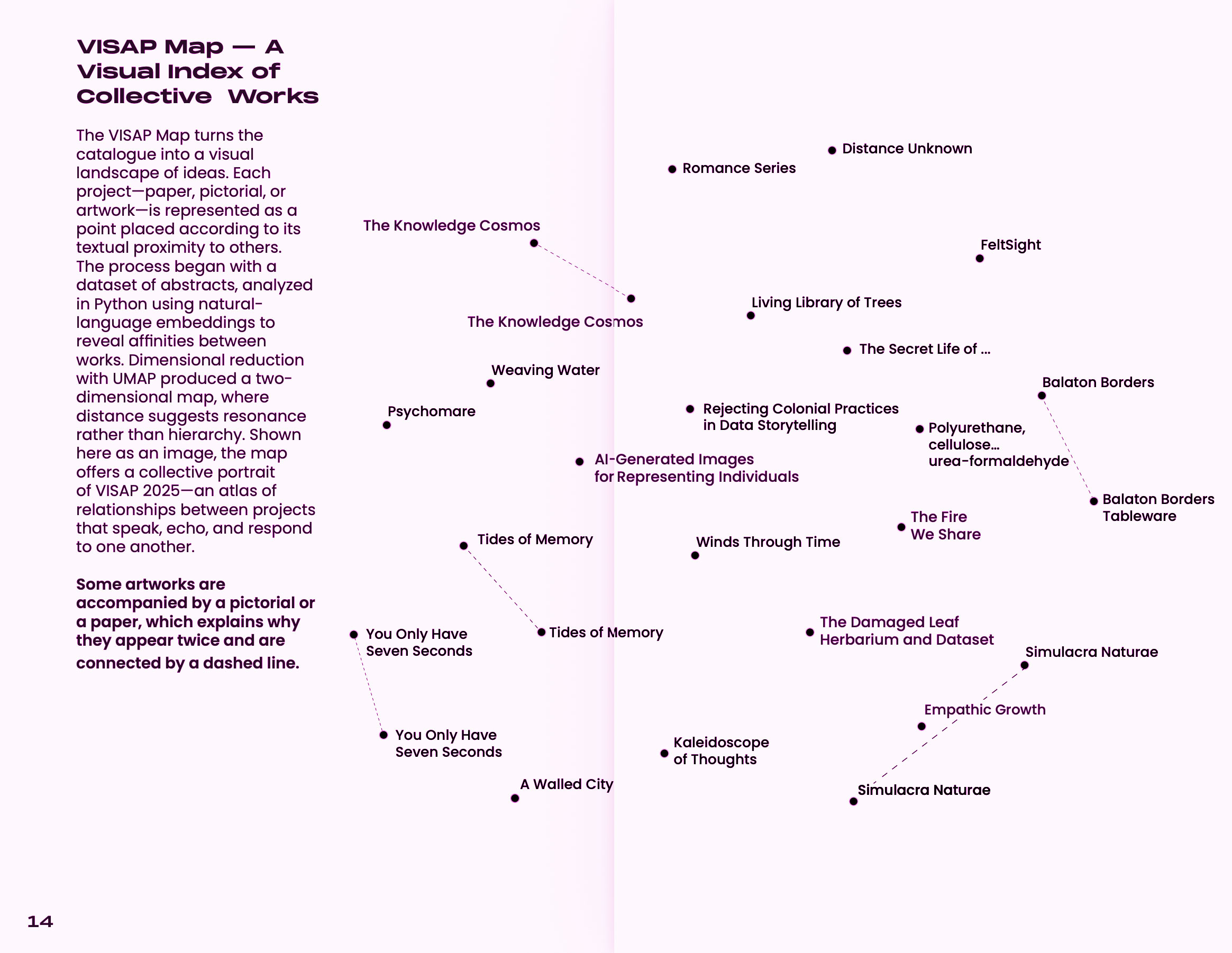
VISAP 2025 Catalog
Çay, Damla, Dario Rodighiero, Weidi Zhang, Martina R. Fröschl, Peter Mindek, and Beatrice Gobbo
https://visap.net/2025/downloads/visap-2025-booklet.pdf
2025
VISAP 2025 Catalog
Çay, Damla, Dario Rodighiero, Weidi Zhang, Martina R. Fröschl, Peter Mindek, and Beatrice Gobbohttps://visap.net/2025/downloads/visap-2025-booklet.pdf
Care is easy to recognize on a personal level,especially when it appears in the small, attentivegestures woven into daily life. We see it whensomeone nurses a sick friend, tends a garden,or stitches a quilt by hand. Each act is markedby presence, patience, and a quiet commitmentexpressed through attention. It takes form throughdeliberate actions that often go unnoticed yet carryenduring meaning. But what does care look likewhen it scales up across complex systems wherethe risks are greater, the people more dispersed,and the consequences harder to trace?